Bedding Guide
Coyuchi Pacaya Baby Alpaca Blanket: Fiber, Weave, and Care Explained
A blanket can feel substantial without being heavy. The Coyuchi Pacaya brings that balance into focus: a 100% baby alpaca textile, woven in Peru in a soft twill and finished with a blanket-stitched hem. Its appeal lies not only in its gentle hand, but in how fiber, construction, size, and care determine whether it suits a particular home.
A natural fiber, with a specific meaning
The Pacaya Alpaca Throw is made from 100% baby alpaca fiber and is described as sourced and woven in Peru. “Baby alpaca” can sound like a reference to an animal’s age, but in textile use it generally refers to a fine fiber grade. It does not necessarily mean the fleece was taken from a young alpaca. That distinction matters: fiber terminology is about characteristics of the material, not a guarantee of the animal’s age.
Alpaca fiber is valued for its soft feel, lightness, and insulating qualities. Individual fibers can trap pockets of air, helping create warmth without the dense, weighty sensation some blankets produce. That can make alpaca an appealing option for people who want a cozy layer that remains easy to lift, fold, or move from one room to another.
Descriptions of alpaca often emphasize its softness relative to conventional wool. Yet feel is personal. Fiber fineness, yarn construction, finishing, and individual sensitivity all influence how a textile feels against the skin. If possible, consider the texture in person, or review the return policy before choosing a blanket for someone with known fiber sensitivities.
The Pacaya’s material is listed as 100% baby alpaca, with no cotton or synthetic blend specified. That makes it a useful example of a blanket whose character depends primarily on one animal fiber and the way it is woven. It is not a claim that every alpaca textile behaves identically: yarn thickness, weave density, and finishing can change the final result considerably.
What the twill weave contributes
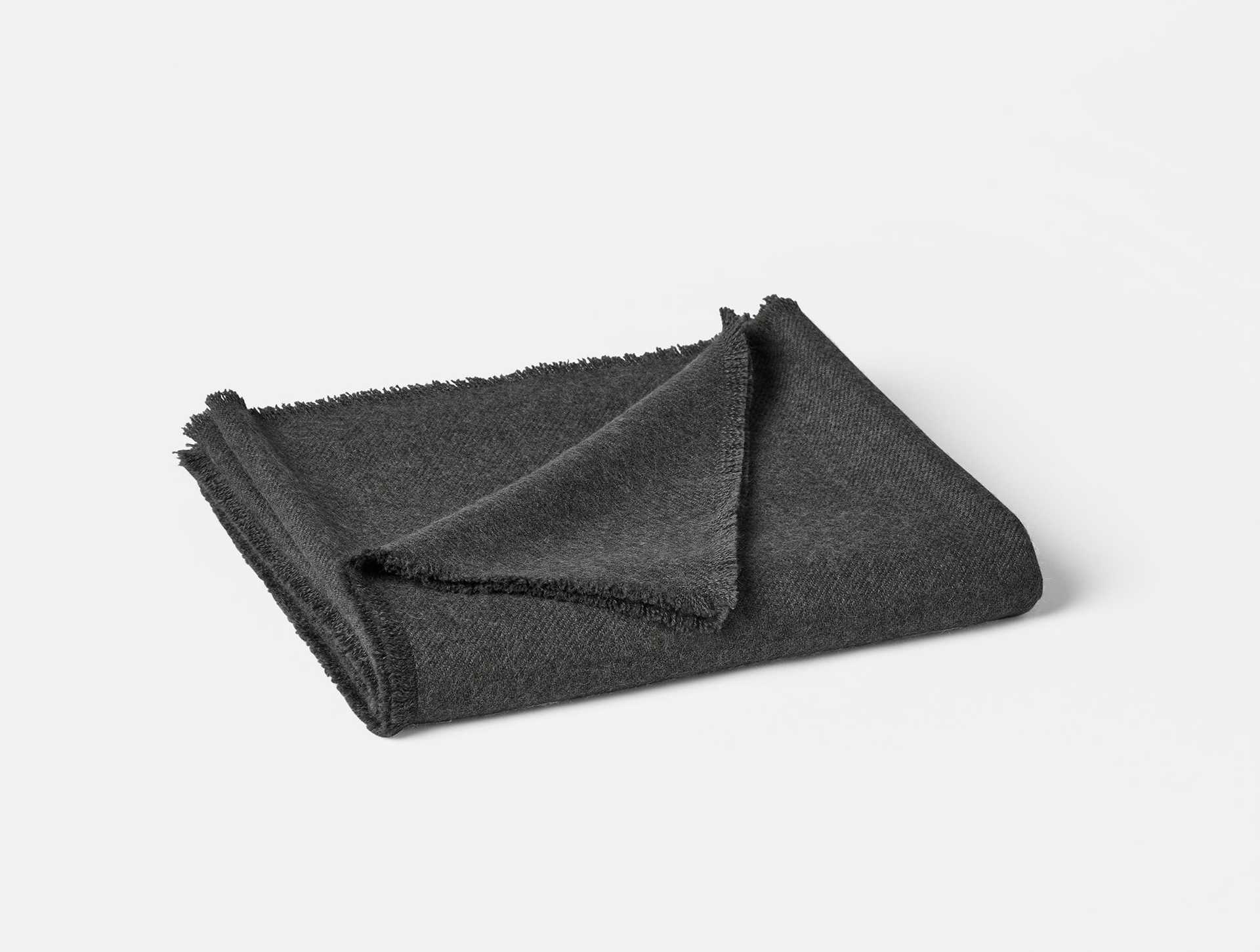
Twill is a woven structure recognized by its diagonal lines or ridges. The pattern comes from the way the threads pass over and under one another in a repeating offset. Compared with a plain weave, that arrangement can create a textile with a more fluid drape and a surface that feels supple rather than board-like.
In the Pacaya, the twill construction is described as giving the alpaca fabric softness and drape while providing insulation without added bulk. These features work together. A blanket needs enough structure to hold its shape, but enough flexibility to settle comfortably over a bed, the back of a chair, or a person’s shoulders. A well-balanced twill can help it do both.
Weave is not merely a decorative detail. It affects how a textile folds, how it hangs, and how its surface interacts with use. The Pacaya’s blanket-stitched hem is another practical part of its construction: it gives the edge a finished border and helps define the shape. As with any textile, the stitching should be treated with care rather than pulled or snagged.
The result is a throw intended to feel warm but not cumbersome. That is a useful distinction for households that prefer adaptable layers. A lightweight blanket can be brought out for a cool evening, folded at the foot of a bed, or kept near a reading spot without becoming a permanent heavy cover. It is a different proposition from a thick winter comforter designed to cover a mattress and retain substantial warmth.
A throw, a bed layer, or both?
How well a blanket works depends partly on what “blanket” means in a given household. The Pacaya is presented as a throw, a format that commonly serves as a personal layer or decorative accent. It can add warmth over a duvet, but it should not automatically be treated as a full-bed cover. The distinction comes down to dimensions, coverage needs, and the way the bed is made.
Before ordering, check the current listing for the exact measurements. Product descriptions and available sizes can change, and a throw-sized blanket may not cover the mattress from side to side. Think about whether you want it to reach across the bed, lie neatly at the foot, or simply provide a layer for one person. Measure the intended surface rather than relying on the word “blanket” alone.
For a bed layer, consider the other bedding already in use. A lightweight alpaca throw can work above a sheet and duvet when extra warmth is wanted, or it can rest across the foot of the bed as an easy-to-reach layer. On a sofa or armchair, its softer scale may be an advantage: it can be wrapped around the shoulders without the excess fabric of a bedspread.
Color and texture matter, too. A twill surface has visual movement that can complement crisp cotton sheets, a smooth duvet cover, or a more textured quilt. The blanket can act as a quiet contrast rather than the room’s dominant feature. Since it is made from natural fiber, shades and surface details may have subtle variation; exact appearance can also differ with lighting and display settings.
For households deciding between a dedicated bed blanket and a versatile throw, the practical question is not which label sounds more appealing. It is whether the size, warmth, and care routine match the way the piece will be used. A smaller textile that is easy to reach for may see more everyday use than a larger cover that is cumbersome to maintain.
Warmth without unnecessary weight
Alpaca is often chosen for insulation that feels relatively light. The Pacaya’s description points to warmth without added bulk, a quality that can be useful when a room is cool but a thick layer would feel restrictive. The blanket may suit transitional weather, cooler evenings, or indoor spaces where temperature varies from room to room.
That does not mean it will keep every sleeper comfortable in every climate. Warmth depends on room temperature, personal preference, other bedding layers, and how much of the body the blanket covers. Someone who sleeps hot may use it folded at the foot of the bed, while a cold sleeper may layer it over an existing cover. The most comfortable arrangement is often adjustable rather than fixed.
Descriptions of natural fibers sometimes use broad language about temperature regulation or breathability. These properties should be understood as tendencies, not promises. A textile’s performance depends on its construction and the conditions in which it is used. The Pacaya is a lightweight woven throw, not a technical temperature-control device, and it cannot replace choosing bedding appropriate to the room and the sleeper.
Care is part of the purchase decision
The Pacaya’s care guidance is dry clean only. That instruction is central to deciding whether the blanket fits everyday life. A natural-fiber textile may feel easygoing in use while requiring more deliberate maintenance than a cotton throw that can be put in a home washing machine. Care expectations are not an afterthought; they affect the real cost and convenience of ownership.
Follow the care label supplied with the blanket, since instructions on the item should take priority over general advice about alpaca. Avoid assuming that a gentle home wash is safe simply because the fiber is natural. Water, agitation, temperature, detergent, and drying methods can affect the hand, shape, and size of animal fibers. If the label specifies professional cleaning, use a qualified cleaner and explain the fiber content.
Between cleanings, keep the blanket away from spills, cosmetics, and food. If a small mark appears, do not scrub aggressively; friction can disturb the surface or spread the stain. Consult the care label and, when uncertain, ask a professional before treating it. Store the blanket clean and completely dry, folded in a breathable place. Avoid compressing it for long periods or leaving it in damp storage.
Regular airing may help a textile feel fresh, but it is not a substitute for cleaning when the blanket is soiled. Protect it from prolonged direct sunlight, which can affect color over time, and from sharp objects or rough surfaces that may catch the weave. When using it on a bed, lifting rather than dragging it across the floor can help preserve the hem and surface.
Care labels can also help clarify what a retailer’s product description does not. Look for instructions about stain treatment, storage, and whether the item should be handled by a dry cleaner or a laundering service. Keeping the label or a record of its instructions is useful if the blanket is later moved, gifted, or stored for a season.
What “hypoallergenic” should—and should not—mean
Alpaca products are sometimes described as hypoallergenic. That term can be reassuring, but it is not a guarantee that a blanket will cause no reaction. People can respond differently to animal fibers, dust, finishing materials, or the cleaning products used on a textile. If allergies or sensitive skin are a concern, check the product details and consider testing the fabric cautiously before making it a regular sleep layer.
A tightly woven cover, clean bedding routine, and appropriate laundering can all contribute to a comfortable bedroom, but no single fiber eliminates all allergens. The Pacaya is a throw made from alpaca, not a medical product. Anyone with significant or persistent allergy symptoms should seek advice from a qualified health professional rather than relying on marketing terms.
How it compares with other alpaca throws
Fiber content and construction offer a useful starting point when comparing blankets. A pure alpaca throw such as the Coyuchi Pacaya Alpaca Throw emphasizes the softness and lightweight warmth associated with baby alpaca, with a twill weave and blanket-stitched hem. A blend, by contrast, combines alpaca with another fiber and may have a different texture, drape, and care routine.
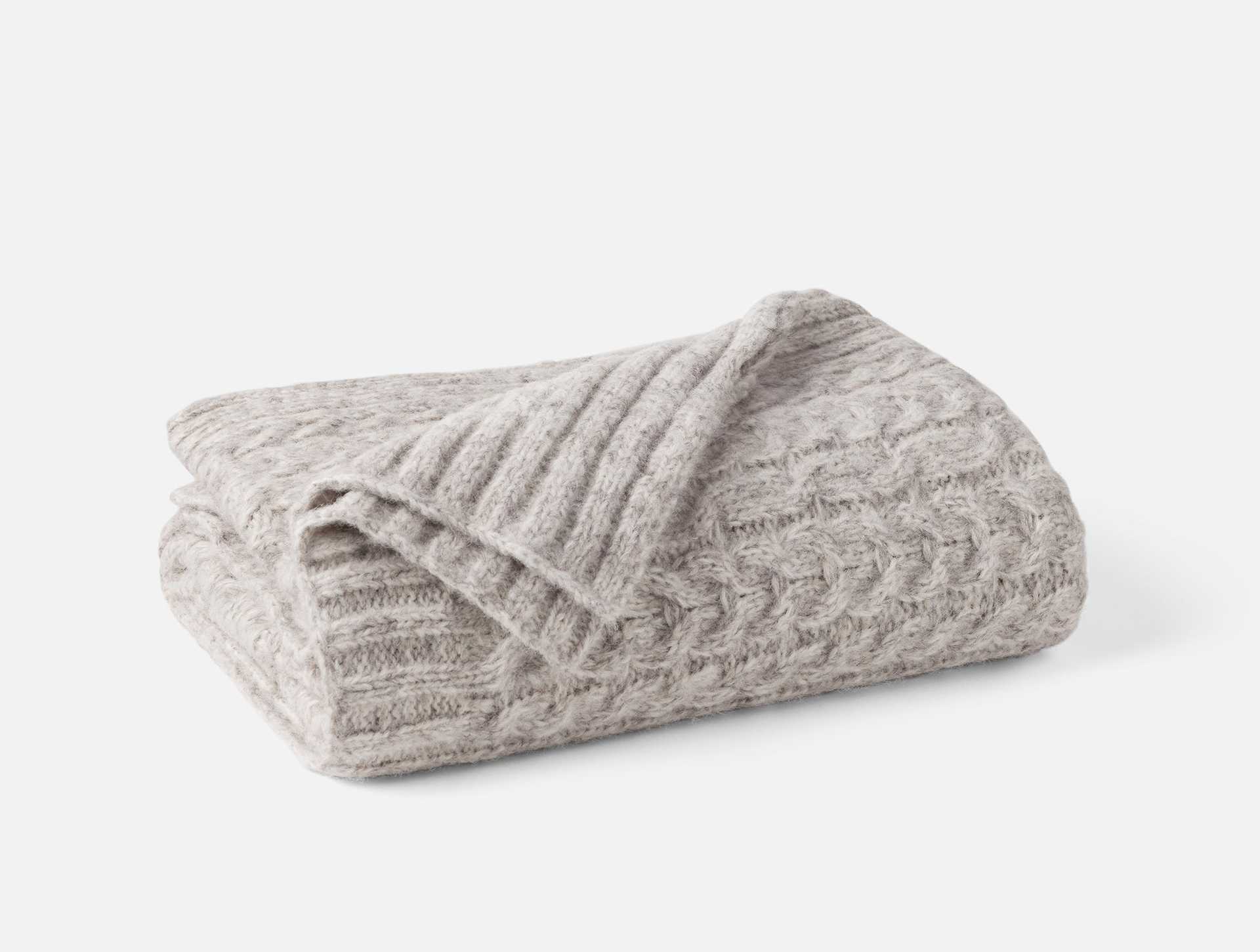
For example, the Chinchero Alpaca Cotton Throw combines alpaca with Pima cotton in a cable-knit construction. Its blend and texture make it a different choice from the Pacaya’s 100% alpaca twill. Neither construction is automatically better: the decision depends on the feel, look, dimensions, and maintenance requirements that suit the room.
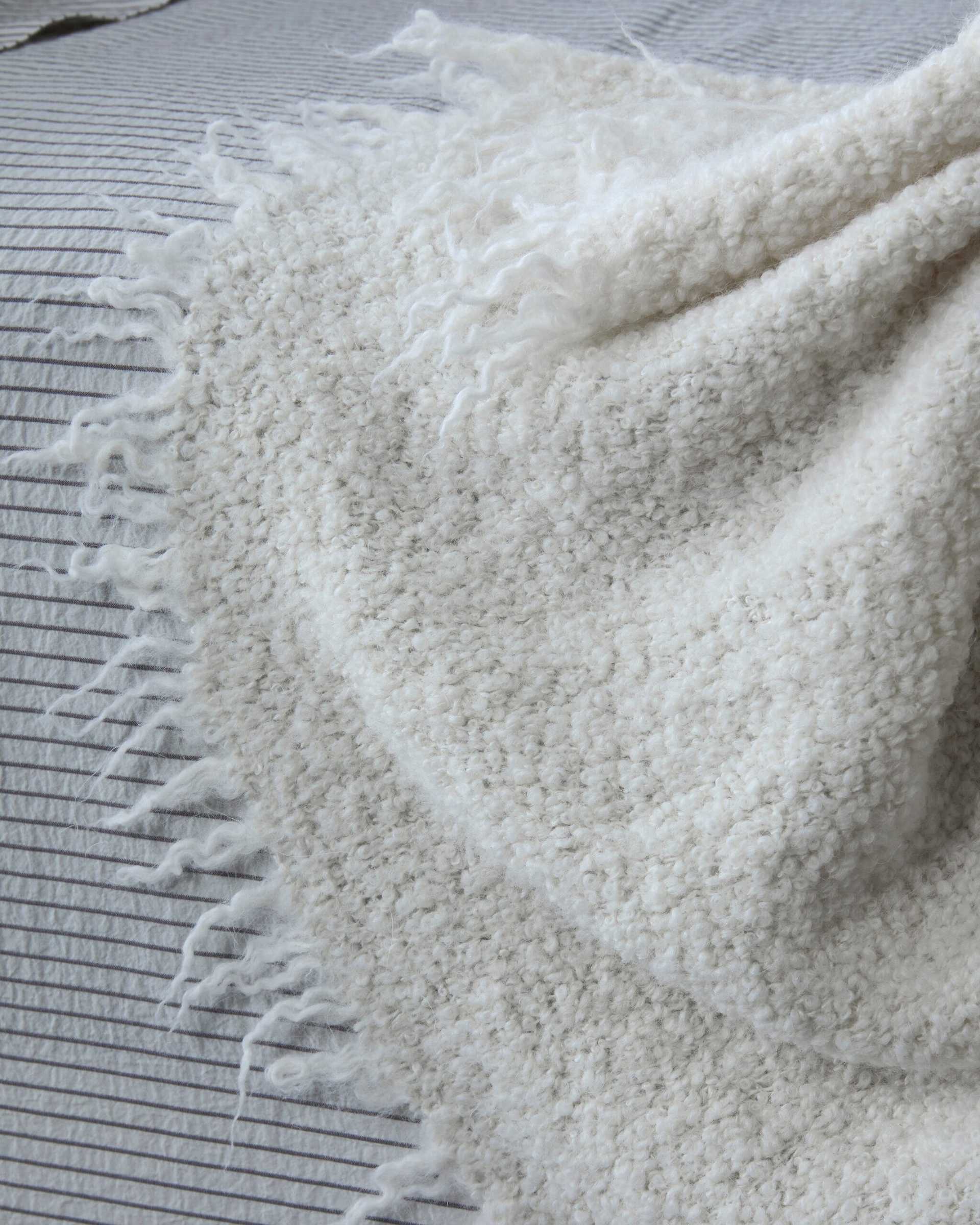
A larger winter blanket also serves a different purpose from a throw. The Tuis Blanket, for instance, is described as a bouclé alpaca-and-wool blend intended to cover a bed and provide warmth in cooler months. Comparing it with the Pacaya illustrates why material names alone are not enough. Fiber percentage, weave or knit, weight, size, and care all shape how a blanket functions.
When comparing options, read the specification rather than relying only on broad words such as “luxury,” “warm,” or “soft.” Ask whether the item is a pure-fiber textile or a blend; whether it is woven or knitted; whether its dimensions suit the intended use; and whether the cleaning instructions are manageable. Those details are more likely to determine satisfaction than a product’s name.
A practical checklist before choosing
- Confirm the size. Check the current product listing and compare the stated measurements with the bed, chair, or sofa where the blanket will be used.
- Consider the role. Decide whether you need a personal throw, an extra bed layer, or a cover large enough to span the mattress.
- Review the fiber content. The Pacaya is listed as 100% baby alpaca; confirm the label and current product information when ordering.
- Understand the construction. The twill weave supports a soft drape, while the blanket-stitched hem gives the edge a finished border.
- Plan for care. Dry-clean-only guidance may not suit every household or budget, so account for cleaning needs before purchase.
- Think about sensitivity. “Hypoallergenic” is not a guarantee. Anyone with known reactions should consider their own experience with animal fibers.
- Match warmth to your habits. A light, warm throw can be layered or folded away, but comfort varies with the room and the sleeper.
The quiet value of a well-chosen layer
The Coyuchi Pacaya is best understood as a considered textile rather than a universal bedding solution. Its identity is clear: 100% baby alpaca fiber, a twill weave, a finished hem, Peruvian sourcing and weaving, and dry-clean-only care. Together, those details describe a blanket designed to bring light warmth and a soft drape to everyday spaces.
Its strongest case is versatility. A throw can move between bed, sofa, and reading chair, adding comfort without requiring a permanent change to the bedding setup. Its limitations are equally practical: confirm the dimensions, decide whether its scale meets your coverage needs, and be prepared to follow the specified care instructions.
In the end, a blanket earns its place through repeated use. The Pacaya’s fiber and weave make it a distinctive option for someone seeking natural softness and a layer that feels warm without the bulk of a heavier cover. When size and maintenance align with the household, it can be both a useful source of comfort and a quietly refined part of the room.