Paka Throw

Choosing Alpaca-Inspired Bedding: A Practical Guide to Fiber, Comfort, and Care

In a world saturated with synthetic fills and mass-produced textiles, alpaca-based bedding offers a quiet, premium alternative grounded in natural fibers, sustainable farming, and timeless craft. This guide explores how alpaca fiber, Huacaya and Suri varieties, and blends with other natural materials shape warmth, weight, breathability, and long-term comfort. We’ll also spotlight how to evaluate sheets, comforters, and duvet inserts, with practical care tips and a close look at notable products that bring this gentle luxury into daily life.

A Brief Arc: The Allure of Alpaca Fibers

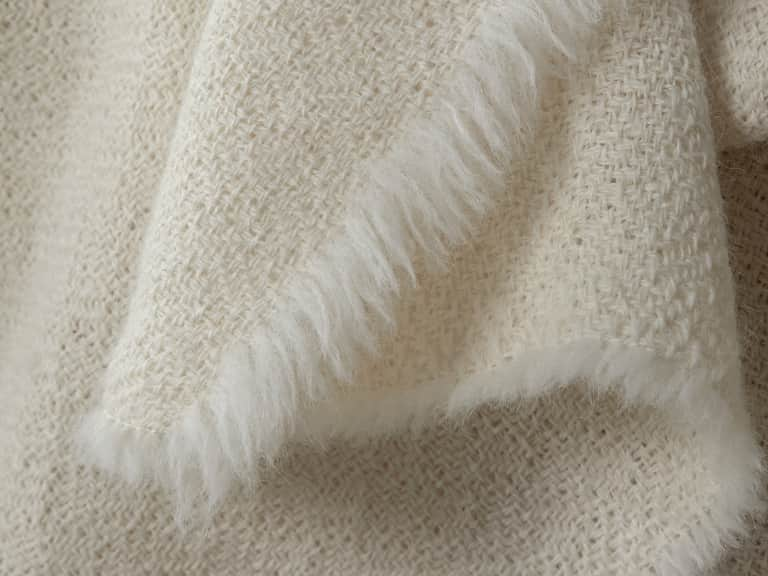
Alpaca fiber has graced households and studios for generations, particularly across the Andean highlands where genetics and climate yield fibers prized for softness, warmth without weight, and exceptional thermal regulation. Unlike many other natural fibers, alpaca lacks lanolin and contains a unique loft that traps air, creating warmth that feels featherlight. The Huacaya and Suri varieties offer distinct hand-feels: Huacaya tends to be fluffy and pill-resistant with a cloud-like loft; Suri provides a silky, lustrous drape with a smoother hand. These intrinsic properties translate into bedding pieces that layer well, resist overheating, and maintain a tidy, airy look in a bedroom.

What makes alpaca stand out for sleep environments goes beyond warmth. The fiber is naturally hypoallergenic and less prone to housing common irritants than some other wools. Its moisture management is adaptive, helping regulate humidity in varying climates. For nurseries and shared spaces, alpaca’s breathable texture supports a calmer, more stable sleep canvas.

Key Shopping Factors: Fiber Type, Weave, and Care

When evaluating alpaca bedding, consider four core factors:

  • Fiber type: Baby alpaca (extremely soft), Huacaya (fluffier), and Suri (silkier). Each offers a different hand and warmth profile, influencing how a blanket or pillow feel against skin and how it breathes overnight.
  • Weave and construction: Weave structure affects loft, stability, and drape. A twill weave or seed-stitch pattern introduces texture and resilience, while a plain weave may emphasize crispness in duvet covers and pillow cases.
  • Fill power and weight: Alpaca fills range from lightweight to more substantial loft. In seasonal shifts, a lighter duvet or layering system can adapt to temperature changes without bulk.
  • Care requirements: Alpaca generally prefers gentle handling, often requiring dry cleaning or delicate washes, depending on the product. Proper care preserves loft, prevents pilling, and extends the lifespan of the piece.

Product Spotlight: Paka Throw

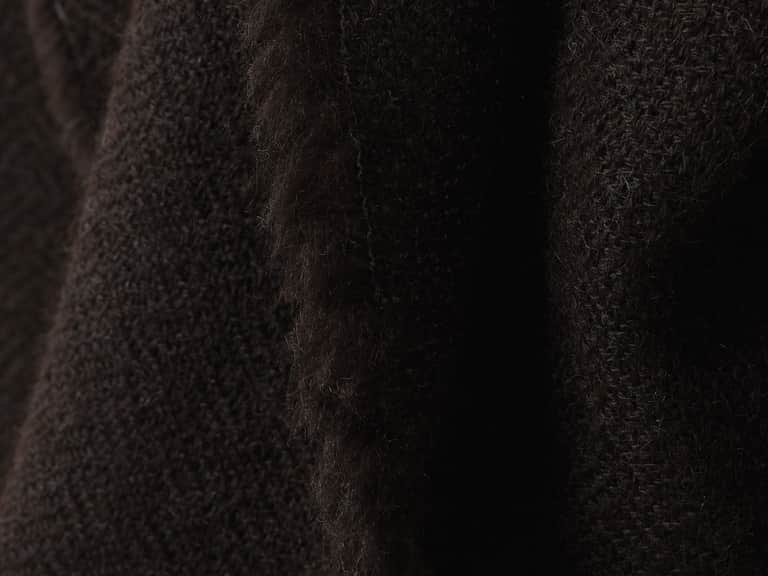
Among alpaca-printed textiles, a quintessential example of craftsmanship that embodies the philosophy of alpaca bedding is the Paka Throw. This pure alpaca throw, finished in an undyed natural color, showcases a structure weave and handmade fringed edges that emphasize tactile warmth without excess weight. The throw’s dimensions (150x200 cm) and a fiber content of 100% alpaca ensure a breathable, airy warmth suitable for cool evenings or quiet reading corners.

Product highlight: Paka Throw — 100% alpaca, structure weave, handmade fringed edges. Size: 150x200 cm. Care: Washing instructions.

Paka Throw in undyed natural color

Fabric: 100% alpaca, natural undyed color.

Weave: Structure weave with handmade fringed edges.

Dimensions: 150x200 cm

Weight: 240 g/m2

Care: Washing instructions provided by the maker.

Sheeting, Comforters, and Beyond: How Alpaca Bedding Interplays with Sleep Science

Alpaca bedding is not a fashion statement alone; it is a convergence of textile science and health-informed design. The gentle loft of alpaca fibers creates a natural microclimate around the sleeper. When used in sheets, duvet inserts, or decorative layers, these fibers contribute to a sense of calm and consistent warmth without overheating—a nuance that becomes particularly evident in varying seasonal conditions.

A high-quality alpaca duvet insert can work in harmony with Alpaca wool blends and GOTS-certified organic cotton outers to maintain comfort across nights that swing from chilly to warm. The weight of the fill matters: for summer, a lighter GSM alpaca wool blend can deliver breathable warmth; for winter, a mid-weight loft can create a cocoon of warmth that still breathes well.

For households with sensitivities, alpaca fibers often present fewer irritants and a reduced likelihood of causing skin reactions compared with some synthetic alternatives. The hypoallergenic properties are not a universal guarantee but are a meaningful part of the fabric’s natural profile. When choosing sheets or pillow coverings, look for certifications (GOTS, Fair Trade) that align with organic and ethical sourcing values.

Product Spotlight: Naturepedic Alpaca Duvet Insert Comforter

The Naturepedic Alpaca Duvet Insert Comforter stands as an example of how alpaca fiber can be integrated into a high-performance bed system. This duvet insert uses an all-season to warm fill of alpaca wool encased in organic cotton, promising a breathable, temperature-regulating sleep surface. The alpaca’s natural moisture-wicking abilities enable a comfortable sleep throughout the night, while the outer shell material keeps the loft well-distributed.

Product highlight: Naturepedic Alpaca Duvet Insert Comforter — 500 GSM all-season alpaca wool fill, outer shell: organic cotton. Care: Spot clean; dry gently if necessary.

Naturepedic Alpaca Duvet Insert Comforter

Fiber: Alpaca wool (OCS-certified organic cotton exterior).

Weight: GSM varies by season (All-season options available).

Care: Spot clean recommended; professional cleaning advised for heavy soiling.

What the Experts Say: Three Key Figures Across Time

Across epochs, three figures—spanning antiquity to modern science—have shaped our understanding of natural fibers, textile crafts, and the art of comfortable sleep. They remind us that the pursuit of comfort is as old as civilization itself, and that the humble alpaca has long stood at the crossroads of culture, science, and daily life.

Hypatia of Alexandria (c. 370–415 CE) and the Emergence of Inquiry

Hypatia, a philosopher and mathematician who guided inquiry in the libraries of Alexandria, represents the lineage of curiosity that informs modern textile science. While she did not study fibers per se, her commitment to empirical reasoning and the careful evaluation of natural phenomena resonates with contemporary evaluation of alpaca fibers: fiber properties, moisture management, and the science of warmth are best understood when observed, measured, and tested.

Carl Linnaeus (1707–1778) and Systematizing Nature

Linnaeus’s habit of cataloging nature laid a framework for the modern classification of animal fibers. In the alpaca narrative, his insistence on taxonomic clarity mirrors today’s differentiation between Huacaya and Suri fibers, helping consumers understand the texture, sheen, and warmth differences that define bedding options.

Jane Goodall (b. 1934) and Ethical Stewardship

Though renowned for her primatology, Goodall’s ethic of care for ecosystems echoes in the alpaca bedding space. Sustainable farming, humane husbandry, and transparent supply chains—core to alpaca fiber production—reflect a contemporary commitment to responsible craft, reminding readers that comfort should not come at the cost of communities or the land.

A Practical Guide for Shoppers: How to Choose Alpaca Bedding

A thoughtful choice blends fiber story with practical realities. Here’s a compact framework to guide your decisions:

  • Define your warmth target: For summer, opt for lighter lofts; for winter, lean into mid-weight alpaca fills paired with breathable cotton shells.
  • Check fiber provenance: Seek 100% alpaca or clearly labeled blends with Huacaya or Suri descriptions and certifications that attest to ethical sourcing.
  • Evaluate weave and fill: Duvet inserts benefit from a controlled loft; pillows benefit from consistent support that maintains alignment.
  • Mind care and maintenance: Alpaca items often require gentle washing or dry cleaning. Understand care instructions to preserve loft and softness.

Beyond raw specifications, consider how alpaca items integrate with your existing bedding ecosystem: a Paka Throw can add a textured layer to a bed setup, while Naturepedic Supima sheet sets add a crisp, breathable base that complements alpaca loft.

Conclusion: A Brand, A Space, A Sleep Experience

Alpaca-inspired bedding is more than a material choice; it is a philosophy of comfort that honors natural fibers, careful farming, and timeless craft. For households seeking warmth without heaviness, breathability with a touch of luxury, alpaca-based bedding offers a gentle, enduring path toward restful nights. The harmony of fiber, weave, and care creates a sleep environment that is as thoughtfully curated as a well-loved library—a place where science, history, and human care converge to improve daily life.

If you’re ready to begin your journey, start with a foundational set of alpaca sheets or a duvet insert, add a Paka Throw for texture, and pair with a safeguarding system of ethically sourced, organic textiles. The result is not merely better sleep; it is a daily ritual that echoes the best of craft, culture, and care.

Related Products

Paka Throw

Society Limonta

Paka Throw

Snuggle into pure alpaca warmth with a soft, undyed finish. Lightweight yet cozy, its natural weave feels tactile and refined, while handmade fringed edges add artisanal charm—perfect for cool evenings and effortless lounging at home.
Pacaya Alpaca Throw

Coyuchi

Pacaya Alpaca Throw

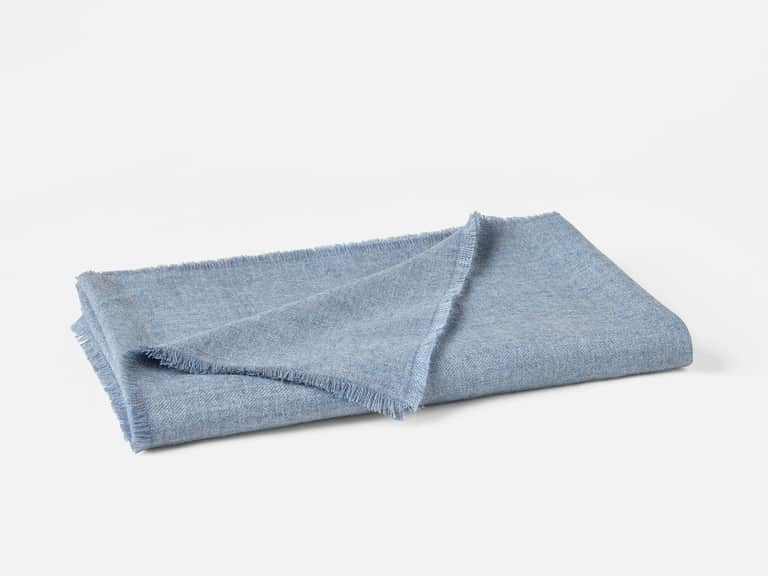
Wrap yourself in lightweight warmth with 100% baby alpaca, a soft twill drape that feels breathable and gentle on skin. Hypoallergenic, durable, and easy to cuddle for everyday coziness.
Semilla Suri Alpaca Knit Baby Gift Set

Coyuchi

Semilla Suri Alpaca Knit Baby Gift Set

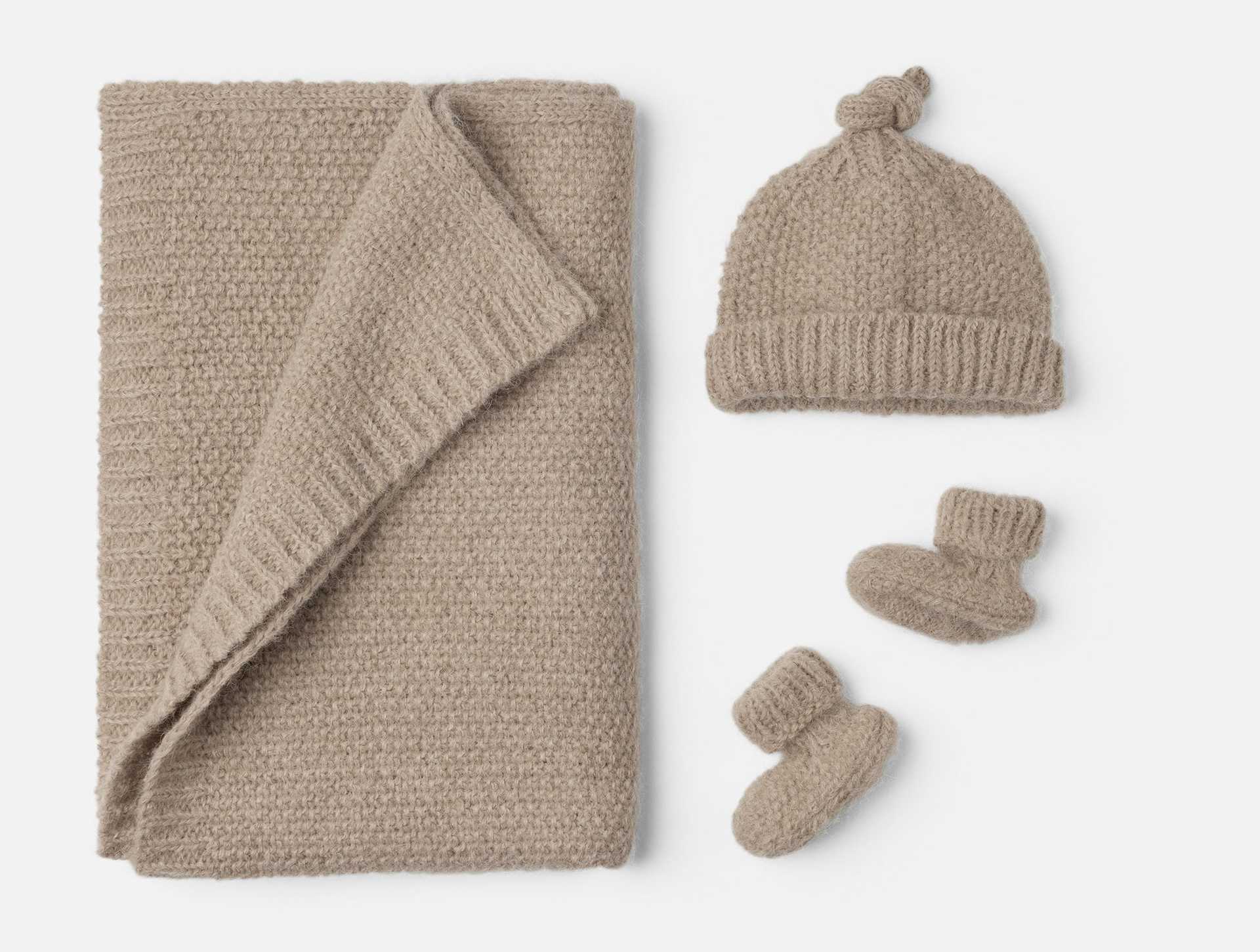
Wrap your little one in lightweight, silky warmth with 100% traceable Suri alpaca—gentle on skin, comfy all day, and easy to love as a coordinated newborn gift.

Theme